
Blog
Email marketing notes.
Email Marketing
Benefits of Email Automation for Ecommerce Stores
Learn the practical benefits of ecommerce email automation, from cart recovery and first purchases to retention and scalable personalization.
By Peak Meadow Published July 10, 2026
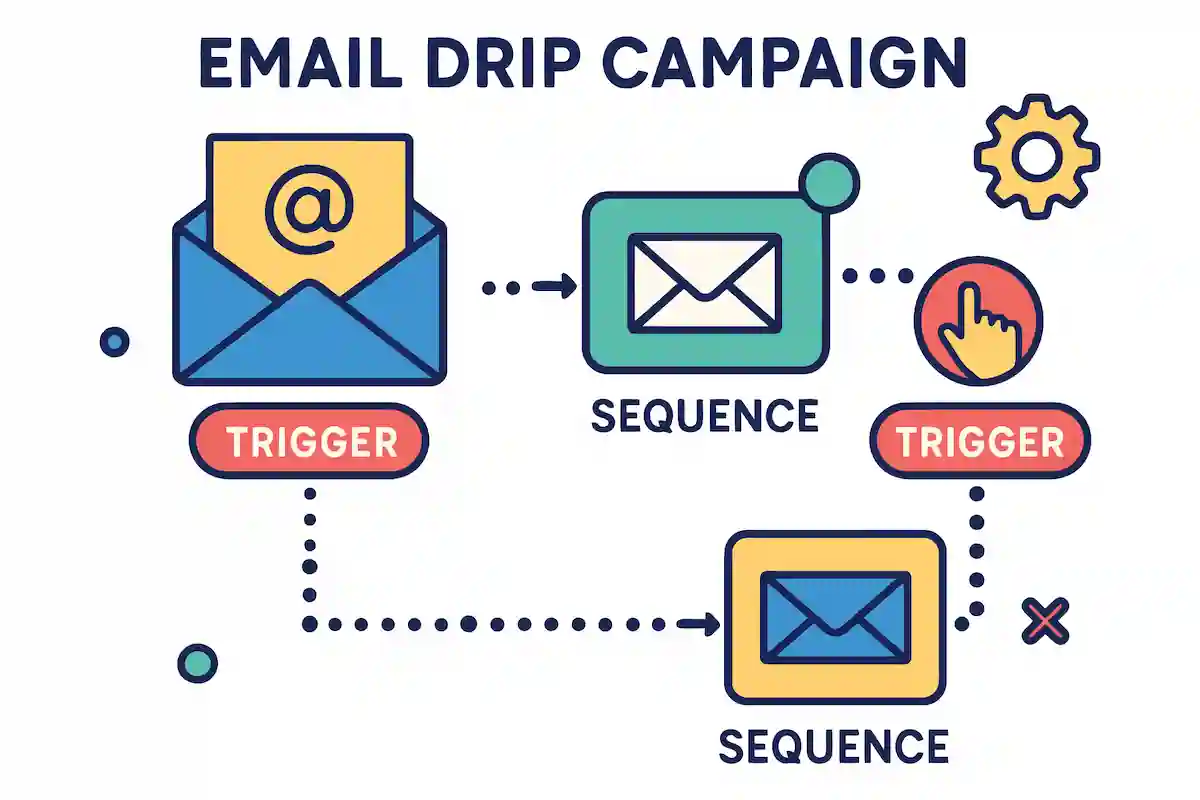
The benefit of email automation is not that it lets you send more email.
That is the shallow version.
The real benefit is that it lets your store respond to customer intent while it is still fresh. A subscriber joins. A shopper hesitates. A customer buys. A loyal buyer goes quiet. Automation gives each of those moments a follow-up without waiting for someone to build a campaign from scratch.
For ecommerce, that creates practical business value: more recovered revenue, better first-purchase conversion, stronger retention, cleaner customer journeys, and less manual work.
Automation responds faster than manual campaigns
Timing matters in ecommerce.
A shopper who abandoned checkout an hour ago is in a different state than someone who abandoned it three weeks ago. A new subscriber who just asked for a discount or guide is more attentive than someone who forgot they joined your list. A customer who just received an order is ready for product education in a way they were not before buying.
Manual campaigns cannot consistently catch those moments. Automation can.
That speed is useful because many ecommerce decisions are short-lived. The customer may still have the product in mind. They may still have the browser tab open. They may still be comparing your store with another option. A timely email can make the next step easier before the moment disappears.
Automation turns behavior into relevance
Ecommerce stores collect useful behavior every day.
People browse categories, view product pages, add items to cart, click size guides, buy specific products, use discount codes, leave reviews, and return after long gaps.
Automation lets you use that behavior without manually building a new segment every time.
A customer who viewed hiking boots should not receive the same follow-up as someone who viewed baby skincare. A first-time buyer should not be treated like a loyal customer with ten orders. A shopper with a high-value cart may need reassurance more than a coupon.
Behavior gives the email context. Context makes the email feel less random.
Automation helps recover abandoned revenue
Abandoned cart and checkout flows are usually the most obvious automation win.
The customer has already shown intent. They picked a product, added it to cart, or started checkout. That does not mean they forgot. They may have been interrupted. They may have disliked shipping costs. They may have wanted reviews, sizing help, delivery clarity, payment options, or a reason to trust the store.
A strong cart flow does more than remind. It removes friction.
The first email can make it easy to return. The second can answer objections. The third can add urgency or an incentive if the margin allows it.
Without automation, many of those almost-orders simply disappear.
Automation improves the first-purchase path
The welcome flow is another major benefit.
A new subscriber is interested, but not always ready to buy. They may need to understand the brand, compare products, see best sellers, read reviews, learn about shipping or returns, or decide whether the signup incentive is enough.
A welcome automation gives that subscriber a guided path.
Instead of dropping them into the general campaign list immediately, you can introduce the brand in order:
- Deliver the signup promise.
- Show where to start.
- Explain what makes the product different.
- Add proof and reduce risk.
- Invite the first purchase or capture preferences.
That is much stronger than hoping the next scheduled campaign happens to fit.
Automation supports retention after the first order
Many stores overinvest in acquisition and underinvest in what happens after purchase.
The customer buys, receives a receipt, maybe gets a shipping email, and then hears nothing useful until the next sale campaign.
Post-purchase automation fixes that gap.
A good post-purchase flow can set expectations, teach product use, reduce buyer’s remorse, request feedback, ask for a review, recommend complementary products, and time the next purchase. For consumables, replenishment reminders can arrive before the customer runs out. For products with accessories, cross-sell emails can feel genuinely helpful when they are based on the original purchase.
Retention does not happen only because the product is good. It also happens because the customer is guided into a better experience after buying.
Automation makes personalization scalable
Personalization sounds expensive when it depends on manual work.
Automation makes it more practical.
You can personalize by product viewed, category purchased, location, lifecycle stage, order count, average order value, discount use, loyalty tier, or engagement level. You can also use dynamic product blocks to show the item left behind, related products, best sellers, or replenishment recommendations.
The point is not to personalize every sentence. The point is to make the email match the situation.
A simple product-specific reminder will often feel more relevant than a beautifully written generic message.
Automation reduces repetitive work
There is also an operational benefit.
Without automation, teams rebuild the same follow-ups repeatedly. Someone has to remember to welcome new subscribers, remind cart abandoners, ask for reviews, promote replenishment, and re-engage inactive customers.
That is a poor use of time.
Once a flow is built, the team can improve it instead of recreating it. They can test subject lines, adjust timing, refine offers, improve product blocks, and tighten exit rules. The work moves from constant production to system improvement.
Automation improves measurement
Automated flows are easier to evaluate because each flow has a defined job.
A cart flow should recover purchases. A welcome flow should help convert new subscribers. A post-purchase flow should improve satisfaction, reviews, repeat purchase, or cross-sell revenue. A winback flow should reactivate customers or identify who should be suppressed.
Useful automation metrics include:
- Flow revenue.
- Revenue per recipient.
- Conversion rate.
- Placed-order rate.
- Click rate.
- Unsubscribe rate.
- Spam complaint rate.
- Bounce rate.
- Time to first purchase.
- Repeat purchase rate.
The right metric depends on the flow. Do not judge every automation by opens alone.
Automation can protect deliverability when used well
Relevant automation can support deliverability because it sends based on intent.
A customer who just subscribed, carted, bought, or asked for a back-in-stock alert is more likely to engage than a cold subscriber who has not clicked in months.
But automation can also hurt deliverability if it is careless. Too many overlapping flows, weak suppression rules, constant discount emails, and winback sends to very inactive subscribers can create fatigue.
This is a lesson most ecommerce marketers learn the hard way once a program passes ten or so active flows: the same contact can qualify for browse abandonment, cart recovery, and a post-purchase sequence in the same week if nothing is coordinating priority between them. The benefit of automation disappears fast when it turns into being hit from four directions at once instead of one relevant email at the right moment.
The benefit comes from relevance and control, not volume.
The bottom line
Email automation helps ecommerce stores respond to customer behavior without waiting for the next campaign.
It can recover abandoned revenue, convert new subscribers, improve post-purchase experience, increase repeat purchases, scale personalization, and reduce manual work.
But the strongest benefit is simpler than all of that. Automation lets you show up when the customer has already given you a reason to show up.