
Blog
Email marketing notes.
Email Marketing
Benefits of Email Marketing For Ecommerce Companies
Learn how ecommerce email marketing drives repeat purchases, cart recovery, loyalty, automation, and higher customer lifetime value.
By Peak Meadow Published July 7, 2026
Email marketing is effective because it allows you to directly engage with an already interested audience. The big plus here is not having to constantly chase cold leads. Instead, you’re communicating with shoppers who’ve already signed up to your list, clicked on a product, added something to their cart, or made a purchase before.
This makes email one of the most powerful channels for ecommerce brands seeking increased conversions, more repeat purchases, and tighter customer relationships without daily ad spend.
While email can’t fix a bad product or offer, if your store is solid, it can convert lost sales into recovered revenue and single-time buyers into loyal customers. Keeping customers engaged is where ecommerce email really shines, contrasting starkly with the inbox clogging that can occur from irrelevant, weekly blasts.
The secret is that emails are tailored and meaningful, resonating with what customers have clicked on, purchased, browsed, or ignored.
Personalization is key, and that goes beyond simply addressing them by name in the subject line. That’s a trick that’s well past its prime.
Real personalization involves leveraging customer behavior.
-
What did they buy?
-
What have they browsed?
-
What’s in their cart?
-
Where do they live?
-
What sizes do they prefer?
-
What products are they interested in?
The possibilities are endless. A woman who bought running shoes likely needs different information than someone who bought a leather wallet. The former might be interested in socks or new stock in their size. The latter could use care instructions or suggestions for a matching belt.
These are relevant and valuable messages. To effectively use email, your ecommerce list should be segmented, including categories such as new subscribers, first-time customers, repeat buyers, VIP customers, cart abandoners, inactive subscribers, customers at risk of churning. Each of these segments requires a unique approach. New subscribers could benefit from a welcome series detailing the brand, showcasing best-selling products, and offering an incentive for their first purchase. Repeat customers might appreciate early access to sales or new releases, or loyalty perks.
Inactive shoppers could receive a simple “still interested?” email before reducing communication frequency. Dynamic content is another great tactic, allowing you to customize product blocks based on individual customers, such as showing sneakers to one person and jackets to another.
Tracking interactive email campaigns is crucial
While tools like one-click ratings, add-to-cart buttons, product quizzes, countdown timers, and review requests can enhance clicks and simplify customer actions, their effectiveness needs to be monitored. For instance, if a product quiz generates clicks but few sales, it may be too long or complicated. Similarly, a low conversion rate for a countdown timer offer could signal a weak discount. Identifying which product is most clicked in a carousel can inform your merchandising decisions.
Email provides quick feedback, so use it.
Nurturing customer relationships extends beyond promotional emails; avoiding constant “X% off” messages trains customers to wait for sales, eroding brand value. A balanced approach blends sales offers with informative content, such as sizing guides, care tips, usage instructions, customer photos, unique product differentiators, and answers to frequently asked pre-purchase questions. For a clothing retailer, this could be a fit guide; for a skincare brand, a routine breakdown; for a furniture company, room styling ideas; for a coffee brand, brewing tips.
These emails build trust by empowering customers to make informed decisions. Post-purchase emails are equally vital, including order updates, care instructions, setup guidance, review requests, and relevant product recommendations. Your initial sale is a sign of trust; use email to earn the next one.
Boosting Sales and Conversions
Email elevates ecommerce sales by strategically delivering the right offer to the right person at the right time, recognizing that a customer who recently abandoned a cart is in a different headspace than a repeat buyer from three months ago. VIP customers and first-time buyers should not receive identical promotions; targeted messaging drives better conversions. Targeted promotions consistently outperform broad discounts, which can slash margins and diminish brand appeal. A more effective strategy involves aligning offers with individual customer profiles. VIP customers might get early access to product drops, while first-time buyers receive free shipping.
Those who have browsed a specific category could receive emails highlighting best sellers within that niche.
A camera buyer, for example, is more likely to be interested in lenses or accessories than a broad discount. Tailor the offer to their past behavior. Segmenting by order value is also effective; customers who typically spend 150 dollars may respond to bundle deals, whereas 25 dollar first-time buyers might prefer free shipping or a 10% discount.
Test various subject lines, discount percentages, product visuals, and call-to-action buttons. A 10% discount could yield nearly the same results as 20% but with a healthier profit margin. Testing can also reveal that free shipping is more effective than a percentage-off promotion.
Shopping Cart Recovery Tactics
One of the easiest ecommerce wins is cart abandonment recovery.
Shoppers have already done the hard part. Finding the product and adding it to their cart was the hardest thing we could get the customer to do, but something stopped them, perhaps shipping costs, distractions, price comparisons, or a complex checkout process. A cart recovery flow provides a second chance. A simple three-email sequence typically works best:
-
First hour: A friendly reminder with the product details, price, and a clear link back to the cart.
-
Around 24 hours: Add customer reviews, product benefits, or common objections and their solutions.
-
Around 48-72 hours: A stronger incentive, like free shipping or a small discount, if feasible within your profit margins.
Avoid a desperate tone in the first email; focus on the product and how to complete the purchase. In the second email, include social proof such as customer reviews, star ratings, or “best seller” tags if accurate. The third email can create urgency, reminding them if stock is low or if the cart expires.
Now’s time for a stronger prompt: free shipping, perhaps?
Monitor recovery rate, revenue per email, and unsubscribe rates. In fact, if people are buying from your first reminder, you might not even need a discount.
Influencing Buying Decisions
Many of your customers are on the fence because they have questions. Email is the perfect channel to answer those questions before a purchase is made. With product-focused emails, address fit, size, materials, shipping and return policies, quality, and usage cases to simplify the purchasing decision.
A good product email will clearly answer:
-
What is this?
-
Who is it for?
-
Why should I buy it?
-
What problem does it solve?
-
What do I do next?
If a shopper is comparing two similar items, comparison emails will resonate strongly.
A skincare brand might compare different moisturizers by skin type; a clothing company might offer fit comparisons; a tech accessories brand could pit one product model against another. Social proof also helps. Use brief customer testimonials, star ratings, review counts, before-and-after photos, and user-generated content. A line like “Rated 4.7/5 by 5,000+ customers” is a lot more convincing than “Customers love us.”
Be specific. Concrete proof feels real.
One-click reorder emails are another fantastic tool for products customers tend to run out of on a regular basis. Coffee, vitamins, dog food, razors, cleaning supplies, makeup, pantry staples, and so on are a great fit for this category. Make reordering as seamless as possible.
Building Brand Loyalty
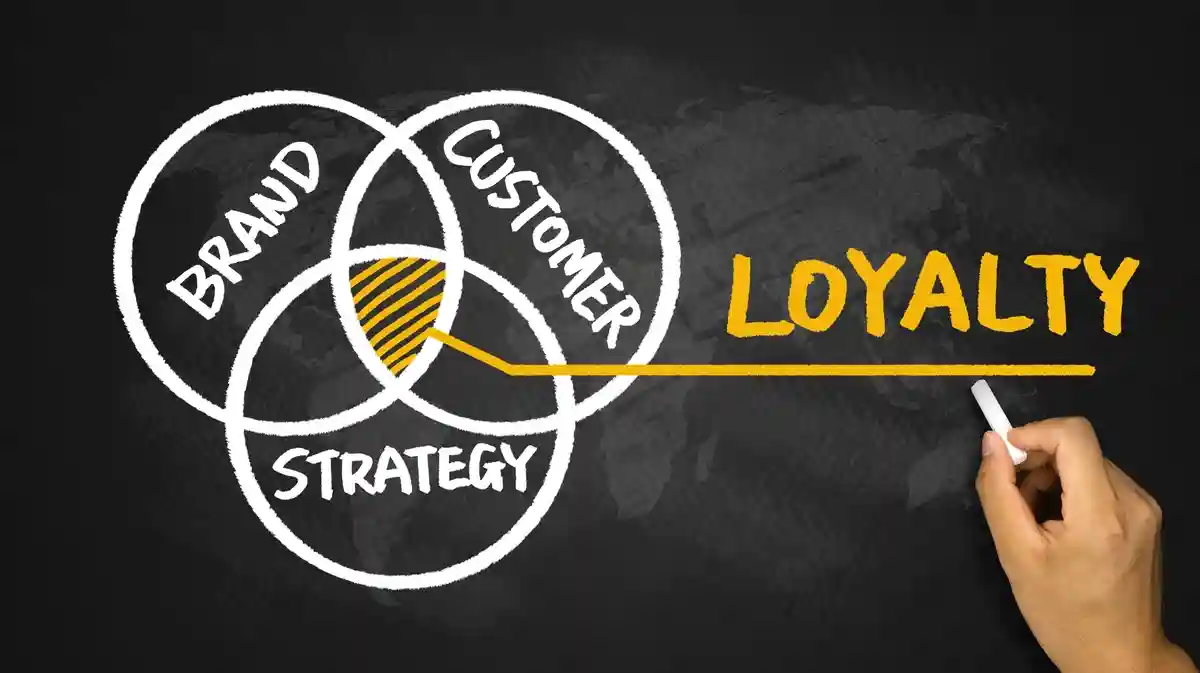
Where much of the magic happens for ecommerce brand loyalty is through small but consistent touches that make customers feel invested in your brand. It’s all about delivering valuable content, rewarding them for their loyalty, keeping them engaged with the right timing and tone of voice that customers will recognize as your own.
Cultivating Repeat Purchases
Repeat purchases are generally the key to higher profit margins for ecommerce businesses. The first purchase is often the most expensive since you must invest to acquire the customer; it’s during repeat purchases that email truly comes into its own. Segment your communications based on past purchase history. If a customer buys protein powder every 30 days, remind them to reorder on day 25.
If they’ve been buying children’s clothing, suggest the next size up a few weeks later. If they love candles, recommend new seasonal scents as holidays approach. Timing is crucial here, and cross-selling emails are equally effective when presented logically. A customer who bought a camera probably needs a lens cap, just as a customer who bought shampoo may want conditioner, or someone who purchased a heavy coat will need a pair of gloves. Don’t recommend random products simply to fill space; this smacks of laziness and irrelevance.
You can even include purchase reminders about loyalty points in your post-purchase emails. “You’re 120 points away from $10 off” provides an incentive for returning customers and connects a new order with a reward they’ve already earned.
Exclusive Member Offers
Customers remain subscribed to your email list if they feel there’s value in staying connected. This doesn’t necessarily mean discounting your products every week. Instead, subscribers should receive something that they’ll regret missing out on if they opt out. Value can include:
-
Early access to new products
-
Email-only discounts
-
Birthday rewards
-
Free shipping offers
-
VIP product drops
-
Loyalty point bonuses
-
First access to restocks
Make this value crystal clear. If customers receive 15% off, spell it out in the subject line or the first line of copy. If early access is being offered, state how long they have before the rest of the public. Rotate your offers to avoid burnout; this month’s email could feature a discount, next month early access, followed by a product education piece, a loyalty reward, and then a seasonal guide.
A mixed bag of value prevents your email content from devolving into an endless stream of discounts.
Reinforcing Brand Identity
Emails also serve to keep your brand top-of-mind, and this begins with a consistent visual identity. The colors, voice, general layout and quality should all reflect your brand. Your customer should be able to recognize your emails before even seeing the logo.
If your brand conveys a calm and luxurious image, messy and bright emails just won’t cut it, and a playful brand shouldn’t have technical or stiff copy.
Be succinct, clarify what your product does, who it benefits, and why it matters. And crucially, include only one clear call to action. A single email shouldn’t prompt a customer to make a purchase, read a blog, leave a review, and claim a reward. You have to prioritize one key action and build your email around that. Clear trumps clever here, every time.
Saving Time With Automation
For ecommerce businesses, the efficiency gained from email marketing automation can be enormous, as these automated systems keep working even when you’re not actively engaged. A solid email platform can automate welcome emails, abandoned cart messages, post-purchase notifications, win-back campaigns, review requests, replenishment reminders, and much more without manual input. Beyond the time savings, this also provides customers with a more seamless experience. Every ecommerce brand needs a few core automated flows:
-
Welcome series
-
Abandoned cart flow
-
Browse abandonment flow
-
Post-purchase flow
-
Review request flow
-
Replenishment flow
-
Win-back flow
These flows represent the key points at which a customer might need a gentle nudge. Welcome series convert new subscribers into paying customers; abandoned cart flow recaptures lost revenue; post-purchase flow builds rapport and trust after the sale; win-back flow re-engages inactive customers. Once you’ve set them up, focus on optimization based on open rates, click-through rates, conversion rates, revenue per recipient, unsubscribes, and spam reports.
If a particular email gets lots of clicks but few conversions, the landing page may be the problem; if you see increased unsubscribes after a specific email, the message might be too aggressive; if a flow is consistently driving revenue week-over-week, refine that instead of chasing something else. Automation is not “set it and forget it”, it’s “set it, track it, tweak it, and improve it.”
Increasing Customer Lifetime Value
Customer lifetime value is defined as the total revenue generated by a single customer during their relationship with your brand over time. Email helps boost this by providing multiple opportunities to win customers back. You can recommend related products, send reminders for replenishment, invite them to join your loyalty program, send them exclusive VIP offers, or educate them to maximize the value they get from your product.
The most compelling aspect of this?
These emails are being sent to customers who already know you, which is what makes email so powerful. It doesn’t just seek that first sale; it actively cultivates subsequent ones, making the difference between the frantic hunt for new traffic and the sustainable growth that comes from building a loyal customer base.
Conclusion
Simply put, email marketing isn’t just about blasting promotions; it’s a holistic system that functions as a sales channel, a retention mechanism, a customer service tool, and a brand-building platform rolled into one.
The winners don’t send more emails. They send better emails. They segmented their list, sent targeted recommendations, recovered abandoned cart items, sent exclusive perks to VIP customers, and automated emails to keep them coming back. They did the whole thing and they did it consistently.
That’s where email shines.
So, if you’re looking for more conversions, more repeat customers, or more customer lifetime value then you shouldn’t treat email like a second-tier system. Email should be a foundation to drive ecommerce success.