Blog
Email marketing notes.
Email Marketing
21 Ecommerce Email Content Ideas That Go Beyond Discounts
Find 21 ecommerce email content ideas that educate shoppers, build trust, support launches, and drive sales without constant discounts.
By Peak Meadow Published July 16, 2026
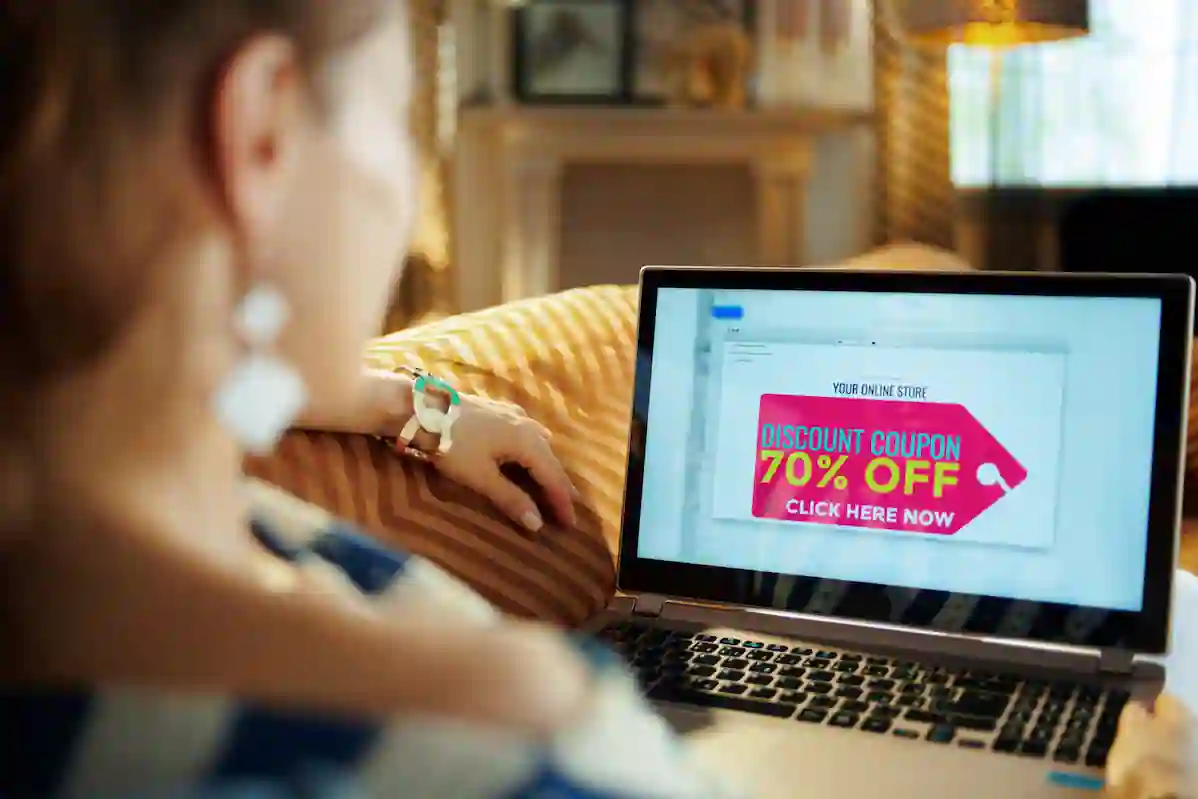
If every email says “20% off,” customers learn two things: your regular price is negotiable, and your emails can wait until the next coupon.
A healthier content strategy gives people more reasons to open, click, and buy. It helps a shopper choose the right product, use what they already own, see proof from people like them, or discover something worth coming back for.
The ideas below are not filler for an empty calendar. Each one has a job.
Product discovery emails
1. A problem-and-solution guide
Start with a problem customers recognize, then show the product as one possible solution. A cookware store could explain why eggs stick to a pan before recommending the right surface and heat setting.
2. A product comparison
Compare two or three products by use case, fit, material, size, or skill level. Be honest about who should choose each option. Useful comparison content reduces uncertainty better than calling every item “perfect.”
3. A best-seller breakdown
Explain why a best seller is popular. Include the detail that is hard to see on a product page, such as texture, capacity, weight, or how it fits into a routine.
4. New arrivals with context
Do more than paste a product grid. Tell readers what changed, who requested it, or which gap in the collection it fills.
5. A curated collection
Build a small collection around a real situation: travel, a first apartment, sensitive skin, rainy commutes, or gifts under $50. The situation gives the products a reason to appear together.
Educational emails
6. A how-to lesson
Teach one useful task that naturally involves your product. Keep the lesson valuable even if the reader does not buy that day.
7. Product care instructions
Show customers how to wash, store, charge, season, clean, or repair what they own. Care content supports satisfaction and can reduce avoidable returns.
8. A common mistake
Address a mistake your support team sees repeatedly. “Why your houseplant keeps getting brown tips” is more inviting than “Read our plant guide.”
9. A buyer’s guide
Turn technical product differences into a decision process. A good guide helps someone rule options in or out without requiring a sales call.
10. Frequently asked questions
Choose one question per email and answer it properly. Shipping, sizing, compatibility, ingredients, warranties, and returns can all become useful content when they remove purchase friction.
Trust-building emails
11. A customer story
Show the customer’s starting point, decision, experience, and result. Specific stories are more credible than a row of unexplained five-star quotes.
12. Review-led recommendations
Group products around what reviewers consistently mention. Things such as easy setup, soft fabric, reliable sizing, or suitability for beginners are a good place to start.
13. Behind the scenes
Show how an item is developed, packed, tested, or sourced. Use details only your team could know. Generic “meet the team” content rarely earns attention on its own.
14. Founder or expert notes
Let a credible person explain a product decision or answer a hard question. A direct note can feel more personal than polished brand copy.
15. What we changed
Tell customers how feedback led to a better fit, clearer instructions, less packaging, or a new feature. This proves that feedback goes somewhere.
Relationship and retention emails
16. The post-purchase next step
Help a buyer get value quickly. Setup instructions, a first-week routine, or a recipe can be more useful than an immediate cross-sell.
17. A replenishment reminder
Estimate when a consumable may run low and make reordering simple. Use purchase timing in order to land the email at the right time.
18. A complementary product lesson
Explain how two products work together before asking for another order. Recommending relevant items is what makes this a good addition to the flow; random ones are what make them an upsell.
19. A customer poll
Ask one question that can change what you stock or send. Replies and clicks can also reveal interests for later segmentation.
20. A milestone or progress recap
Show loyalty points, purchases, saved waste, workouts, reading progress, or another meaningful customer outcome. Keep the focus on what the customer achieved.
21. A seasonal checklist
Build around what customers need to do. A winter car-care checklist or back-to-school lunch plan has a natural place for products.
Choose ideas by customer need
Do not pick content because another brand sent it. Ask what the reader needs next.
| Customer moment | Useful content |
|---|---|
| Exploring | Guides, comparisons, FAQs, best-seller explanations |
| Hesitating | Reviews, customer stories, fit help, objection handling |
| Newly purchased | Setup, care, usage ideas, expectation setting |
| Ready to buy again | Replenishment, complementary products, new use cases |
| Going quiet | What’s changed, preference poll, genuinely new value |
Relevance has measurable upside. In MailerLite’s study of more than 23,000 ecommerce stores, targeted campaigns earned 36.69% higher opens and 267.21% higher click-through rates than campaigns sent without filtering. The lesson is not to create 21 emails for everyone. It is to choose the idea that fits a specific group.
Build a mix customers can live with
A practical monthly mix might include one product lesson, one customer story, one curated collection, and one timely promotion. A launch month may lean more heavily toward products. A slower month can invest in education and preference gathering.
Watch the pattern. If educational emails earn clicks but few immediate sales, check whether those readers buy later. If every promotion spikes unsubscribes, the problem may be frequency or likeness. If comparison guides generate product-page visits and purchases, build more around decisions customers find difficult.
The best ecommerce email content answers a question, reduces a doubt, or makes the product easier to enjoy. A discount can still be part of the mix. It just should not be the entire personality of the list.