Blog
Email marketing notes.
Email Marketing
How to Choose the Right Audience Segment for Every Ecommerce Email Campaign
Learn how to choose the right ecommerce email segment for every campaign objective.
By Peak Meadow Published July 10, 2026
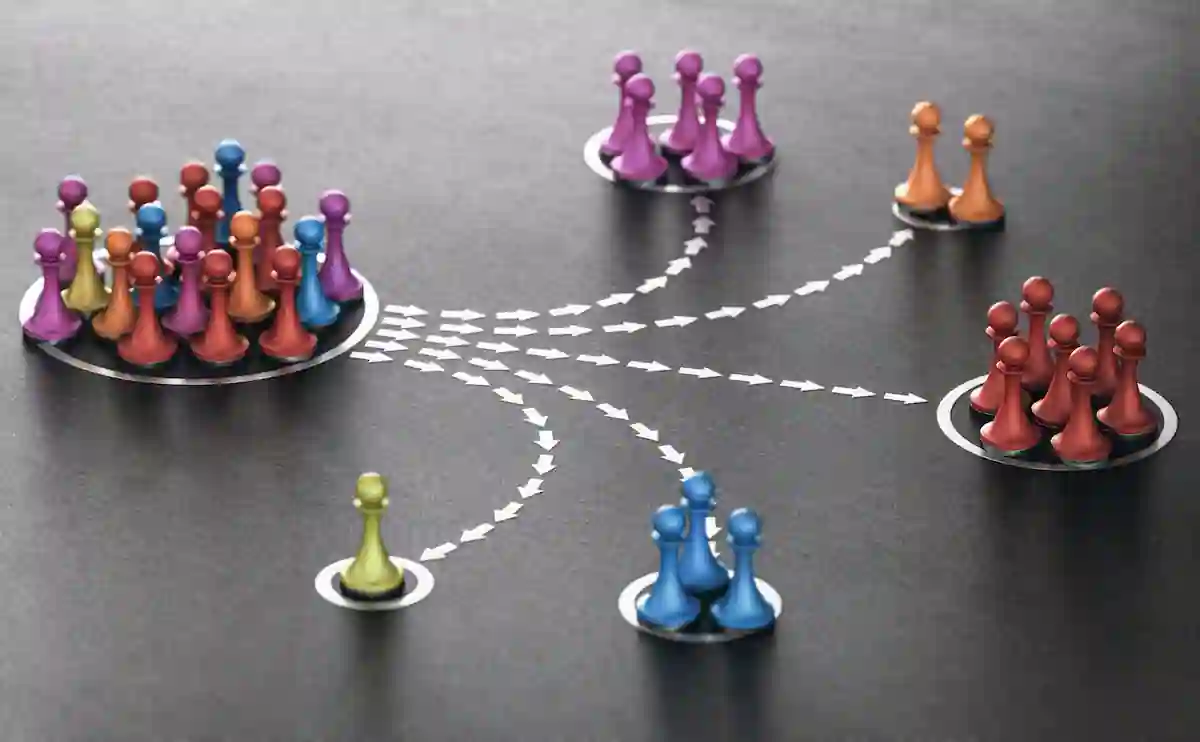
Segmentation is not about making your email account look organized.
It is about sending fewer bad emails.
That is the part a lot of ecommerce brands miss. They create segments because someone told them segmentation improves email performance. Then they either overcomplicate it or build a dozen lists they never use.
Good segmentation is simpler than that. You choose the campaign objective first. Then you choose the audience most likely to care.
Start with the objective first. Segment second. Message third.
Before you pick an audience, decide what the campaign is supposed to do.
Not vaguely. Not “drive engagement.” Not “get the word out.” Be specific enough that you can tell whether the campaign worked.
For ecommerce email, most campaign objectives fall into a few buckets:
| Objective | Best audience segment | Message angle |
|---|---|---|
| Drive first purchase | New subscribers who have not bought yet | Best sellers, first-purchase offer, brand proof, risk reversal |
| Recover lost revenue | Recent cart abandoners or product browsers | Reminder, product benefits, reviews, shipping/returns clarity |
| Increase average order value | Recent buyers or active shoppers | Bundles, add-ons, complementary products, threshold offer |
| Launch a product | Past buyers or browsers in the related category | Why it is new, who it is for, why it fits their past interest |
| Clear inventory | Customers interested in that product or category | Relevant sale picks, size/color availability, urgency without sounding desperate |
| Build loyalty | Repeat buyers or high-value customers | Early access, VIP perks, personalized recommendations |
| Win back customers | Customers who have not purchased or engaged in a set window | What is new, comeback offer, preference update, or last-call reactivation |
The segment should match the job
A segment is only useful if it helps the campaign do its job.
If your goal is first purchase, your best audience is probably subscribers who joined recently but have not ordered. If your goal is repeat purchase, your best audience is probably past buyers with a product or category connection. If your goal is winback, your best audience is inactive customers who still have enough value to be worth saving.
This is where broad blasts fall apart. The campaign tries to do too many jobs for too many people. The result is a watered-down email that does not hit anyone hard enough.
Useful ecommerce segments to build first
You do not need 50 segments to start. You need a small set you can actually use.
| Segment | How to define it | When to use it |
|---|---|---|
| New subscribers, no purchase | Subscribed in the last 0-30 days and has placed zero orders | Welcome campaigns, first-purchase pushes, brand education |
| Recent buyers | Placed an order in the last 30-60 days | Post-purchase education, review requests, cross-sells |
| Category buyers | Bought from a specific product category | Product launches, replenishment, category-specific offers |
| Product browsers | Viewed a product or collection but did not purchase | Browse abandonment, comparison content, product education |
| Cart abandoners | Added to cart but did not complete checkout | Cart recovery, objection handling, urgency when honest |
| VIP customers | High total spend, high order count, or frequent repeat purchases | Early access, loyalty campaigns, premium offers |
| Discount buyers | Mostly purchases during sales or with coupon codes | Sale campaigns, clearance, controlled promotional pushes |
| Full-price buyers | Purchases without discounts or during non-sale periods | Sale campaigns, clearance, controlled promotional pushes |
| At-risk customers | Purchased before but not within their expected buying window | Replenishment, winback, new arrival reminders |
| Unengaged subscribers | No opens/clicks over a defined period | Re-engagement campaign or suppression cleanup |
Do not segment only by demographics
Age, gender, and location can help in some cases. They should not be the whole strategy.
For ecommerce email, behavior usually tells you more. What did the customer buy? What did they browse? How recently did they engage? How often do they purchase? Do they buy at full price or wait for discounts?
That is the data that makes campaigns sharper.
A 28-year-old and a 48-year-old who both bought the same running shoe may belong in the same campaign. Two customers in the same city may need completely different messages if one is a VIP buyer and the other has not opened an email in six months.
How to choose the right segment for common campaigns
- Product launch
Start with people who have shown category interest. That includes past buyers of similar products, browsers of the collection, and engaged subscribers who clicked related emails.
Do not send a niche product launch to the entire list unless the product truly has broad appeal. Relevance beats reach everytime.
- Sitewide sale
A sitewide sale can go wider, but it still should not be lazy.
Send different versions to different groups. New subscribers may need best sellers and a simple reason to buy. VIPs may deserve early access. Past buyers may need recommendations based on what they already purchased. Unengaged subscribers may need one controlled attempt, not five reminders.
- Inventory clearance
This is where segmentation matters a lot.
If you need to clear women’s medium jackets, send to people who bought or browsed women’s outerwear and are likely to match that size. A broad blast can work, but it often trains the list to wait for clearance. Use the most relevant audience first.
- Content or education campaign
Not every email needs to sell immediately. Education emails work well when a customer needs help choosing, using, or trusting the product.
Send these to people who are interested but not ready. Browsers, new subscribers, and first-time buyers are usually better fits than your most loyal repeat customers.
- Winback campaign
Winback campaigns should not go to everyone who has ever ignored you.
Start with customers who bought before and have a reasonable chance of buying again. Define the window based on your product cycle. A coffee brand may call a customer inactive after 60 days. A furniture brand may need a much longer window.
The message should give them a reason to return. “We miss you” is weak. “Here is what changed since your last order” is better.
The simple segmentation framework
Use this when planning any ecommerce email campaign:
1. What is the goal? First purchase, repeat purchase, launch, clearance, loyalty, winback, or education.
2. Who is most likely to care? Choose based on behavior, purchase history, engagement, category interest, and timing.
3. Who should not receive it? Suppress recent buyers, inactive subscribers, mismatched category buyers, or people already in a conflicting automation.
4. What does this audience need to hear? The offer is not always the message. Sometimes the message is proof, clarity, urgency, or reassurance.
5. How will success be measured? Revenue, click rate, conversion rate, average order value, unsubscribe rate, and spam complaints all matter.
Common segmentation mistakes
-
Building too many segments and then using none of them.
-
Sending to the whole list because the brand wants a bigger revenue number from one campaign.
-
Using demographic data when purchase behavior would be more useful.
-
Forgetting to suppress recent purchasers from aggressive promo emails.
-
Treating unengaged subscribers like active buyers.
-
Using discounts as the only difference between segments.
-
Not checking whether the campaign overlaps with active automations.
What to measure after the send
A segment is not good just because it is narrow. It is good if it produces better behavior.
Look at click rate, conversion rate, revenue per recipient, unsubscribe rate, spam complaints, and post-send purchase behavior. Open rate can help you read subject line performance, but it should not be the only scorecard.
After a few campaigns, compare segment performance. Which groups buy quickly? Which click but do not convert? Which segments unsubscribe when you send promos? That is how your email strategy gets smarter over time.
The bottom line
Segmentation is not about making email complicated. It is about making each send more relevant.
Pick the objective. Choose the segment that fits. Write the message for that specific customer state.
That is how ecommerce brands send fewer throwaway emails and more campaigns that actually earn their place in the inbox.