
Blog
Email marketing notes.
Email Marketing
Ecommerce Lead Magnets: Incentives That Turn Visitors Into Email Subscribers
Looking more into lead magnets and how to utilize them to get more subscribers.
By Peak Meadow Published July 9, 2026
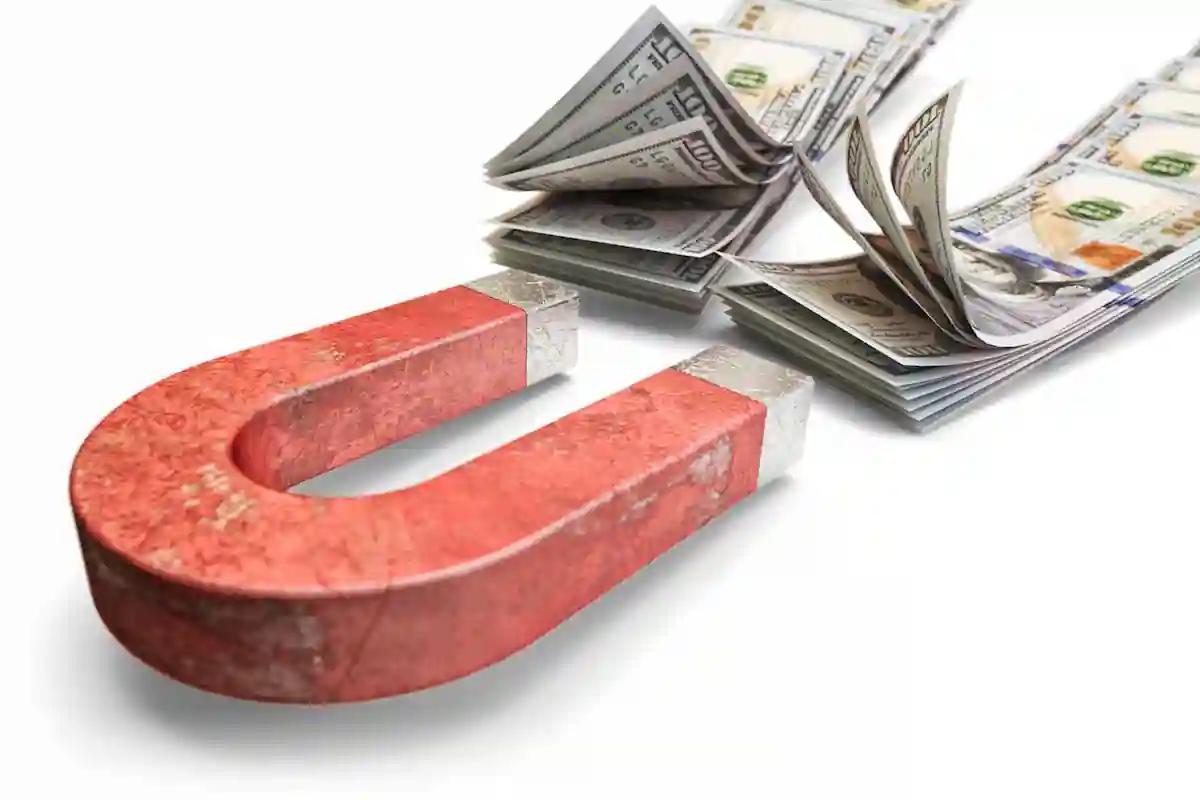
A lead magnet is the reason someone gives your ecommerce store their email address. That is it. No mystery. No magic.
The problem is that most stores treat lead magnets like an afterthought. They slap “Join our newsletter” in the footer or offer the same 10% discount to every visitor. Sometimes that works. Often, it leaves money on the table.
A good ecommerce lead magnet does more than grow the list. It helps the shopper move closer to buying. That means the offer should be specific, useful, and tied directly to the product you sell.
What makes a good ecommerce lead magnet?
The best lead magnets have five traits.
-
They are relevant to the product
-
They give the customer a clear benefit
-
They are easy to understand
-
They are quick to use
-
They create a natural next step toward purchase
A 10-page generic e-book may look and sound impressive, but it may not help a shopper buy. A two-minute product quiz could do more because it gives the customer a recommendation they can act on.
That is the standard. If the lead magnet does not help the shopper choose, trust, compare, save, or buy, it probably needs work.
First-order discounts
The first-order discount is the simplest ecommerce signup incentive. It works because people understand it immediately. “Get 10% off your first order” is clear.
The downside is that discounts can attract bargain hunters and train shoppers to wait for coupons. That does not mean you should avoid discounts. It means you should use them with care.
A discount works best when the shopper is already close to buying. It is weaker when used as the only signup strategy across the entire site. You’ll need to figure out a few different variables to deploy the most effective strategy. Test discount size, expiration timing, and whether free shipping performs better.
Free shipping incentives
Free shipping can outperform a percentage discount for some stores because shipping costs are one of the biggest reasons shoppers hesitate. It is also easier to understand. “Get free shipping on your first order” feels concrete.
This works especially well for lower-priced products where a discount would hurt margins or feel too small to matter. It can also work for stores where shipping cost is a common objection.
Product quizzes
Product quizzes are one of the strongest ecommerce lead magnets because they create value before asking for the email. The customer answers a few questions, gets a recommendation, and your brand collects useful preference data.
A few examples:
-
Skincare: “Find your routine.”
-
Coffee: “Find your roast.”
-
Supplements: “Build your starter stack.”
-
Pet products: “Find the right product for your dog.”
-
Apparel: “Find your fit.”
The key is to make the quiz useful. This is not the place to ask random questions. Every question should have a purpose and help you recommend the right product or aid you in segmenting the subscriber later.
Size, fit, and buying guides
For products where customers worry about choosing the wrong item, guides can be better than discounts. Apparel, shoes, furniture, gear, and technical products all fit here.
A fit guide, sizing chart, room measurement checklist, gift guide, or comparison guide can remove doubt. That makes the shopper more confident and gives them a reason to subscribe.
This kind of lead magnet works because it solves a real problem. Most people do not want to get more emails daily. They want help making right choice.
Routine builders and recommendation tools
Some ecommerce products are easier to sell when they are placed inside a routine or system. Skincare, supplements, fitness, coffee, pet care, and home cleaning products are good examples.
A routine builder helps the customer understand what to buy, how to use it, and what to pair it with. It also creates natural cross-sell opportunities without feeling random.
For example, a skincare brand can recommend cleansers, moisturizers, and SPF based on skin type. A coffee brand can recommend beans, grind size, and brewing gear based on taste preference and brew method.
Early access and waitlists
Early access works when there is real demand. It is especially useful for product drops, limited runs, seasonal collections, restocks, and high-interest launches.
The offer is simple, subscribers hear first. That can be enough if the product is desirable or scarce. This works well for fashion, beauty, collectibles, specialty food, gear, and brands with strong product launches.
Do not fake scarcity. If everything is always “limited,” people stop believing you.
Restock alerts
Restock alerts are underrated because they capture high intent. The shopper already wants the product. They just cannot buy it right now.
Use restock forms on sold-out product pages. Keep the form simple. When the item comes back, send a direct email with the product, price, and link. No long story needed.
This is one of the cleanest list-building tactics because the subscriber intent is obvious.
Loyalty points or member perks
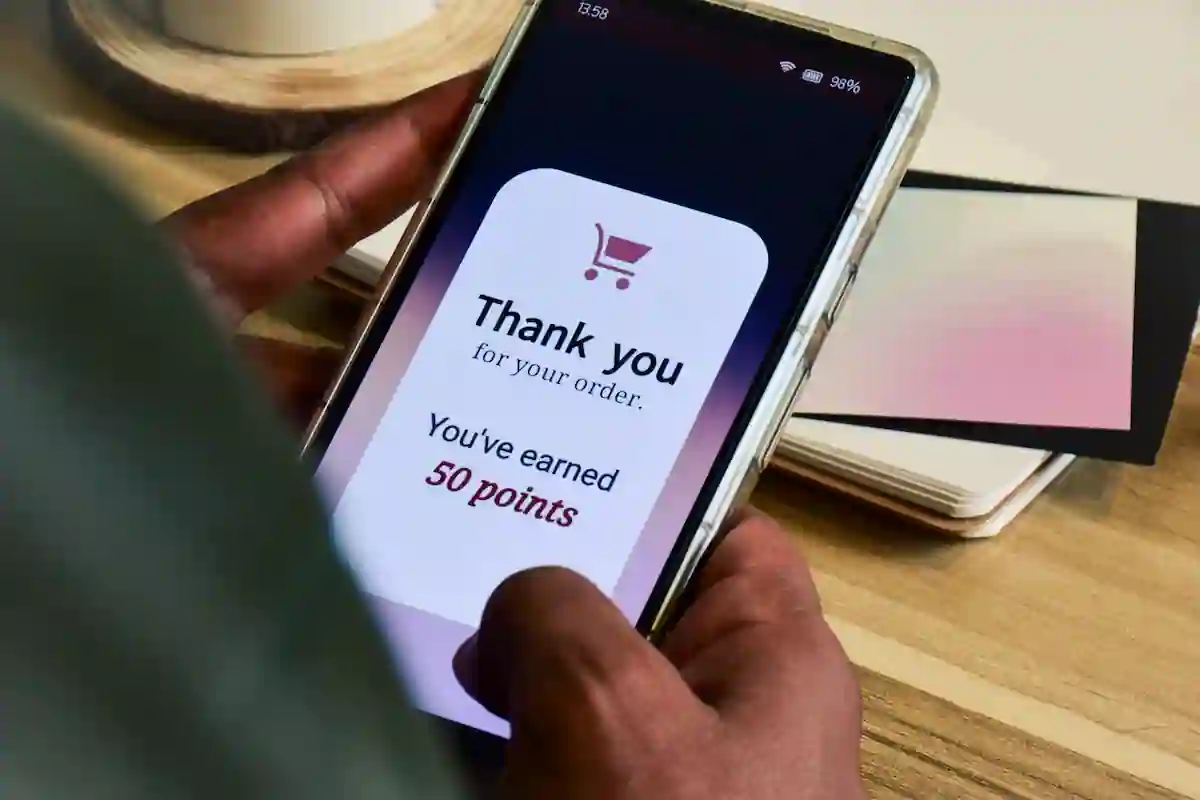
If your store has a loyalty program, you can use it as a signup incentive. Give new subscribers points, early access, birthday rewards, or member-only perks.
This works best when the loyalty program is simple to understand. If the customer needs a calculator to figure out the benefit, the offer is too complicated.
Giveaways
Giveaways can grow a list fast, but they can also create a bad list fast. The prize decides the quality.
Give away something your ideal customer would want, not something everyone wants. A coffee bundle is better than a generic gift card for a coffee brand. A skincare routine set is better than an iPad for a skincare brand.
Add a qualifying question when possible. Ask for product interest, category preference, size, pet type, or goal. This helps you segment the new subscribers after the giveaway ends.
Samples and free gifts
Samples and free gifts can work when the product benefits from trial. Beauty, food, supplements, fragrance, and pet products are common fits.
The offer should be clear. “Get a free sample with your first order” can be stronger than a small discount if the sample helps introduce another product. Just make sure the economics work. Free gifts can destroy margin if you do not watch the numbers.
| Store type | Lead Magnet |
|---|---|
| Skincare | Routine quiz or ingredient guide |
| Apparel | Fit guide, size guide, or style quiz |
| Coffee | Brewing guide or roast finder |
| Supplements | Goal-based product finder |
| Pet products | Pet type or breed-based recommendation quiz |
The offer should help the customer buy the right thing, not just bribe them to join the list.
Where to promote your lead magnet
A good lead magnet still needs to get in front of an audience. Start with the places where it naturally fits:
-
Homepage popup or slide-in
-
Product pages
-
Collection pages
-
Blog posts related to the offer
-
Dedicated landing pages
-
Social media bio links
-
Paid ads
-
Exit-intent popups
-
Checkout and thank-you pages
The placement should match the offer. A size guide belongs near apparel product pages. A routine quiz belongs on skincare category pages. A gift guide belongs in seasonal content and holiday campaigns.
What happens after the signup matters
The lead magnet gets the email address. The follow-up turns that attention into revenue.
After someone subscribes, deliver the offer immediately. Then send a welcome sequence that explains the brand, shows relevant products, handles objections, and gives the shopper a clear next step.
If the lead magnet collected useful data, use it. A subscriber who said they have dry skin should not receive the same first email as someone who said they have oily skin. A dog owner should not get cat product recommendations. This is basic, but many brands still miss it.
How to measure lead magnet performance
Do not judge a lead magnet only by how many emails it collects. That is only the first step.
Track:
-
Signup conversion rate
-
Welcome flow engagement
-
First-purchase rate
-
Revenue per subscriber
-
Unsubscribe rate
-
Spam complaint rate
-
Long-term repeat purchase rate
A lead magnet that brings fewer subscribers but more buyers is usually better than one that brings a large pile of low-intent contacts.
Common mistakes
-
Using “join our newsletter” with no clear benefit.
-
Using one generic discount across every page.
-
Offering a prize that attracts the wrong audience.
-
Making the lead magnet too long or hard to use.
-
Collecting data and then not using it.
-
Forgetting to connect the offer to a welcome flow.
Final takeaway
The best ecommerce lead magnets are not random freebies. They help shoppers make a better buying decision.
Discounts can work. So can quizzes, guides, waitlists, restock alerts, loyalty perks, and free gifts. The right choice depends on your product, margins, and customer hesitation points.
Pick an incentive that attracts real buyers, makes the next step easier, and gives you useful data. That is how a lead magnet turns traffic into subscribers and subscribers into customers.