Blog
Email marketing notes.
Email Marketing
Ecommerce Welcome Flow: Turn New Subscribers Into First-Time Buyers
Making use of the welcome-flow to turn subscribers into first-time buyers.
By Peak Meadow Published July 9, 2026
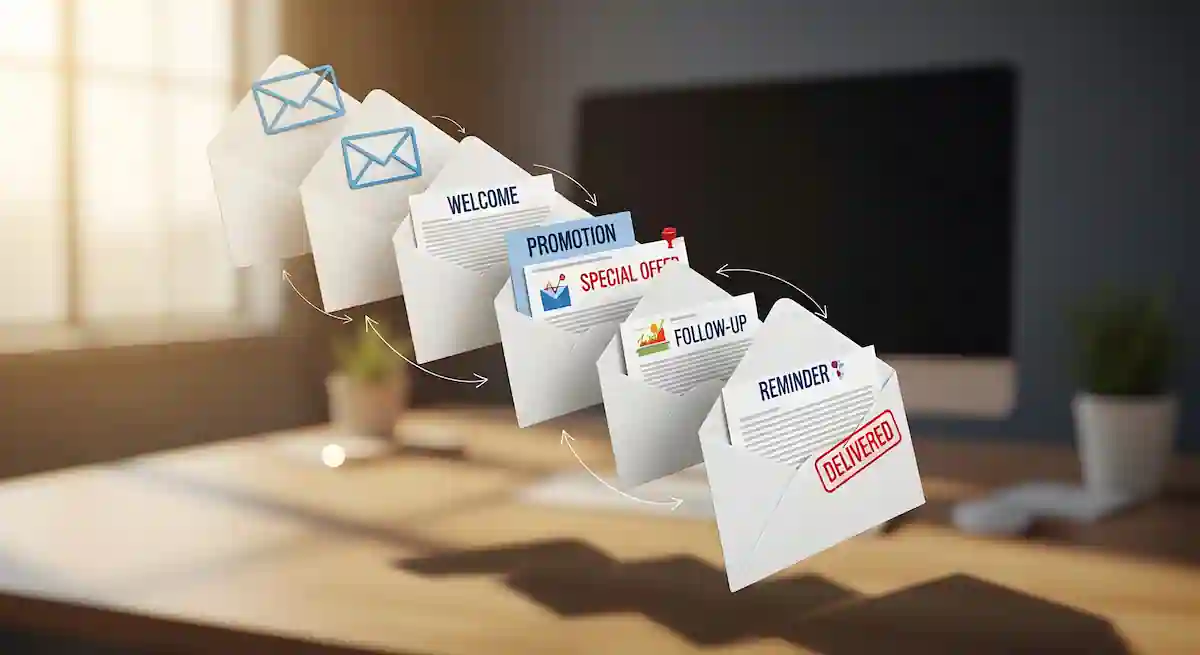
A new subscriber is not a customer yet. That’s why we have to build out a welcome-flow.
They liked something enough to give you their email. Maybe it was a discount. Maybe it was a quiz result, a size guide, a restock alert, or early access to a product drop. Either way, they raised their hand. Now your job is to turn that small moment of interest into a first purchase.
Most ecommerce stores waste this window. They send one coupon email, maybe a generic brand story, then drop the person into the regular campaign list. It’s a handoff, but it’s a weak one that likely won’t convert.
A good ecommerce welcome flow does more than say hello. It delivers the offer, explains why the product is worth buying, removes the obvious objections, and points the shopper toward the next best step. Done well, it becomes one of the most useful automations in your email marketing strategy.
What is an ecommerce welcome flow?
An ecommerce welcome flow is an automated email series sent after someone joins your list. It usually starts within minutes of sign up and runs over the next few days. The goal of the welcome flow is to build trust, deliver on any lead magnets you may have promised, and optionally let them know a little about your brand’s story.
We want to help the subscriber understand your brand, find the right product, and make their first purchase.
This is different from a normal campaign. campaigns go to a broader list at a chosen time. A welcome flow is triggered by behavior. The subscriber just joined, so the timing is personal and the intent is fresh.
That timing is why the welcome sequence matters. You are not chasing cold attention. You are following up with someone who already showed interest.
Why the welcome handoff matters
The signup is not the finish line. It is the handoff between list building and revenue.
If your store offers 10% off, free shipping, a quiz result, or a guide, the first email has to deliver that promise immediately. If it does not, trust drops fast. Nobody wants to trade their email for a missing coupon code or a vague message that says, “Thanks for joining.”
The welcome flow also helps with a bigger problem; indecision. Ecommerce shoppers often hesitate because they are not sure what to buy first, whether the product will work for them, how shipping works, whether returns are easy, or whether the brand is legit.
Your welcome emails should answer those questions before they become reasons not to buy.
Start with the signup source
Do not treat every new subscriber the same. A person who joined through a product quiz is not the same as someone who joined for a sitewide discount. A person who signed up for a restock alert is not the same as someone who downloaded a buying guide.
The signup source tells you what the shopper cares about. Use it.
A quiz subscriber should get their results and recommended products. A discount subscriber should get the code and a clear path to best sellers. A restock subscriber should get product-specific updates. A guide subscriber should get the guide, then related products that fit the problem they were trying to solve.
This does not need to be complicated. Even one or two simple branches can make the welcome flow feel more relevant.
A simple five-email welcome flow for ecommerce
You do not need a giant automation map to start. Most stores can begin with five useful emails. The order matters. Importantly, each email should have one job.
Email 1: Deliver the offer immediately
Send this email right away. Not hours later. Not the next morning. Right away.
If the person joined for a discount, show the code clearly. If they joined for a quiz result, give the result and link to the recommended product. If they joined for a guide, deliver the guide and explain how to use it. This immediately builds trust and lets the person know that you aren’t doing anything below-board.
Keep this email focused. Make sure that you are the one to take action and deliver the result after the person has done their part. The subscriber should not have to hunt for the thing they were promised.
Good first-email pieces include:
-
Confirm the signup.
-
Deliver the incentive or result.
-
Set expectations for what they will receive next.
-
Give one clear call to action.
This is not the time for a long company history. The subscriber came for something specific. Give it to them.
Email 2: Explain why your product is worth buying
The second email should build confidence. New subscribers are still deciding whether your brand is worth trusting.
Show what makes the product different. Use plain language. If your skincare product is fragrance-free, say that. If your coffee is roasted in small batches, say that. If your apparel has a better fit for short or tall customers, say that.
Do not write a brand essay nobody asked for. Tie the brand story back to the product and the customer problem.
The best version of this email answers one question: why should someone buy from you instead of leaving the tab open and forgetting about it?
Email 3: Point them to the best starting point
Too many options kill action. If your store has 80 products, sending a new subscriber to the full catalog can make them freeze.
Give them a starting point instead.
That might be best sellers, starter kits, new-customer favorites, bundles, quiz-based recommendations, or a collection built around their interest. The goal is to reduce the work required to make a choice.
This is especially useful for stores selling skincare, supplements, coffee, pet products, apparel, home goods, and anything with sizing, routines, refills, or product combinations.
Email 4: Remove the obvious buying objections
By the fourth email, the subscriber may still be interested but stuck. Usually, the reason is boring and practical.
They may be wondering:
-
Will this fit?
-
How long does shipping take?
-
What happens if I need to return it?
-
Which product should I start with?
-
Is this safe for my skin, pet, home, or routine?
-
Is the price worth it?
Answer the real objections. One key unlock that I’ve found is to not bury them on the FAQ page and hope people search for them. Bring the answers directly into the welcome flow.
Email 5: Give one helpful nudge
The final email should bring the decision back to the front of the shopper’s mind.
If there is a discount, remind them before it expires. If there is a recommended product, show it again. If there is a starter bundle, make that the next step. Keep the tone helpful, not desperate.
A good nudge sounds like: “Still deciding? Here is the easiest place to start.”
A bad nudge sounds like: “Last chance forever or your life will fall apart.”
Urgency can work, but fake urgency trains people not to believe you.
Match the flow to the lead magnet
The welcome flow should connect directly to how the person joined.
A first-order discount should lead to best sellers, bundles, and reasons to buy now. A product quiz should lead to personalized recommendations. A size guide should lead to the right fit category. A restock alert should stay focused on that product. A giveaway entry should qualify the subscriber and move them toward products they may actually buy.
This is where many stores miss easy money. They collect useful signup data, then send the same generic emails to everyone. If someone told you they have a dog, do not send them cat products. If someone said they have dry skin, do not start with oily skin recommendations. That is basic, but it matters.
How long should the welcome sequence be?
For most ecommerce stores, three to five emails is enough to start. You can add more once you have data.
A simple timing structure looks like this:
-
Email 1: immediately after signup
-
Email 2: about 1 day later
-
Email 3: about 2 days later
-
Email 4: about 3 to 4 days later
-
Email 5: before the incentive expires, if there is one
The right timing depends on your product. A low-cost impulse item may need a shorter window. A higher-priced product may need more education and proof.
What to measure
Do not judge the welcome flow by open rate alone. Opens are useful, but they do not pay the bills.
Track:
-
Welcome flow revenue
-
First-purchase rate
-
Revenue per subscriber
-
Click rate by email
-
Conversion rate by signup source
-
Discount usage
-
Unsubscribe rate
-
Spam complaint rate
The most useful question is simple: which signup sources and welcome messages create actual buyers? Once you know that, you know where to improve.
Common welcome flow mistakes
-
Sending only one welcome email
-
Waiting too long to deliver the offer
-
Making the first email all about the brand instead of the shopper
-
Sending everyone the exact same sequence, no matter how they signed up
-
Showing too many products too soon
-
Forgetting to answer objections like shipping, returns, sizing, ingredients, or product fit
-
Measuring opens but ignoring first purchases and revenue per subscriber
None of these mistakes are hard to fix. That is the good news. The bad news is that a lot of ecommerce stores still make them every day.
Final takeaway
The ecommerce welcome flow is where a new subscriber becomes a serious buyer or goes cold.
Do not waste it with one bland coupon email. Deliver the promise, build trust, show the best place to start, remove the obvious objections, and give a clear next step.
That is the welcome handoff. It turns list growth into revenue instead of letting new subscribers sit in your account doing nothing.